🇫🇷 Introduction: A Bold Statement from France
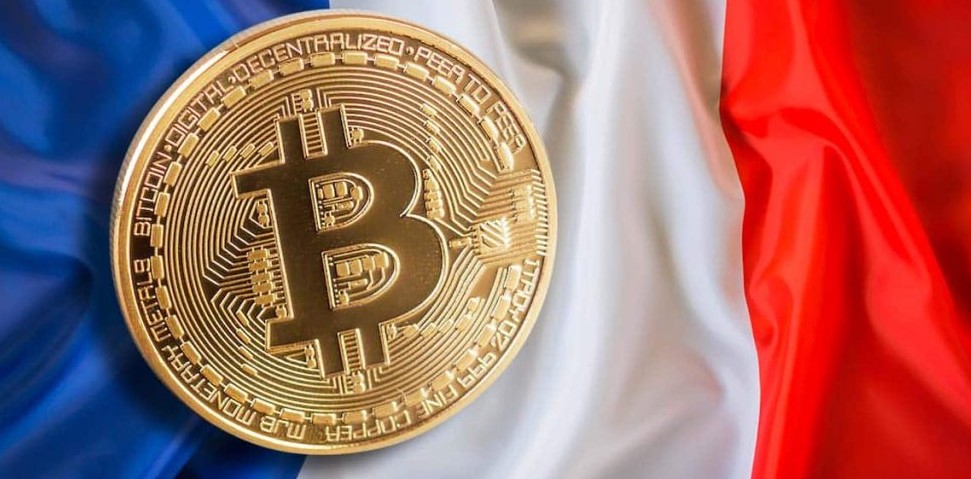
In a groundbreaking move, a French public treasury firm is reportedly preparing to acquire 2,000 BTC through a €200 million share swap deal. This action, though surprising to many, sends a strong signal about the increasing adoption and legitimacy of Bitcoin in traditional finance.
While the world has been gradually warming up to crypto, this is one of the boldest steps yet from a government-related entity in a leading European economy. For newcomers to the space, this might sound complex—but don’t worry. In this blog, we’ll break it down in simple terms and explain why this deal could matter far beyond France.
🏦 Section 1: Who Is Behind the Deal?
🏛️ Subtitle: Understanding France’s Public Treasury Mechanism
France has a complex and efficient public finance system. While the exact identity of the treasury firm hasn’t been fully disclosed yet, reports suggest it could be tied to one of the country’s sovereign wealth entities or semi-public investment arms, such as the Caisse des Dépôts.
These firms:
-
Manage large public funds
-
Invest in infrastructure, innovation, and long-term growth assets
- Participate in the state-level implementation of economic policies
Now, by eyeing 2,000 BTC, this treasury firm is taking a step beyond traditional investment—and entering the realm of crypto, signaling a major institutional shift.
💶 Section 2: What Is a Share Swap Deal?
🔄 Subtitle: Simplifying the Mechanics for Beginners
So, what exactly is a share swap deal, and how does it relate to buying Bitcoin?
A share swap is when one entity exchanges ownership shares for an asset or stake in another company—essentially trading equity instead of cash. In this case:
- The French company intends to offer shares valued at €200 million.
-
In return, it will receive 2,000 BTC, likely from a private or institutional holder
This method allows for capital-efficient asset acquisition and avoids the liquidity strain of spending €200 million in cash.
Put simply, France is trading paper for crypto—a major financial statement on the value of BTC.
📈 Section 3: Why 2,000 BTC Is a Big Deal
📊 Subtitle: Breaking Down the Numbers and Symbolism
Let’s do the math:
-
2,000 BTC at a market price of around €100,000 per coin equals approximately €200 million
-
That’s 0.01% of the total BTC supply—seemingly small, but huge for a single state-affiliated entity
Why does this matter?
- It reflects the rising perception that, like gold, bitcoin is a store of value.
-
It could encourage other public institutions in the EU and beyond to explore similar moves
-
It reduces available BTC in circulation, applying upward pressure on price
More than just a number, this deal acts as a signal to both the traditional finance world and the crypto community that bitcoin is maturing.
🌍 Section 4: What This Means for Global Crypto Adoption
🌐 Subtitle: France Joins the Institutional Club
Until recently, most institutional crypto investments were led by U.S.-based firms like MicroStrategy or private equity funds. But France’s involvement marks
-
A government-aligned player backing crypto
-
Potential for broader EU regulatory acceptance
-
A new phase of cross-border capital diversification using bitcoin
Other nations are watching closely. If this deal succeeds:
-
Expect central banks to study bitcoin allocation
-
Watch for European pension funds and treasuries to follow suit
-
It could legitimize BTC as part of sovereign wealth strategies
In short, btc is entering the highest levels of financial conversation.
💡 Section 5: Why Bitcoin Over Other Assets?
🏆 Subtitle: BTC as Digital Gold and Hedge
France’s treasury could have chosen traditional assets like
-
U.S. Treasuries
-
Euro-denominated bonds
-
Real estate funds
-
Gold reserves
So why Bitcoin?
Here’s what likely influenced their decision:
-
Scarcity: Bitcoin is capped at 21 million coins
-
Portability: It takes only a few minutes to transfer Bitcoin across borders.
-
Resilience: Despite volatility, long-term BTC holders are rewarded
-
Hedge Against Inflation: Especially in an era of rising interest rates and currency debasement
This makes BTC attractive as a digital hedge for long-term capital preservation—perfect for a public treasury.
📚 Section 6: What Beginners Should Take Away From This Move
📘 Subtitle: Learning From the Pros Without Needing Millions
You might not have €200 million or 2,000 BTC, but this deal offers valuable lessons for everyday crypto enthusiasts.
Here’s what to remember:
-
Institutions are here: Bitcoin is no longer fringe or just for tech nerds—it’s being adopted by the world’s financial elites.
-
Growing store-of-value status: Bitcoin is becoming more and more regarded as digital gold.
-
Diversification matters: Even large firms are looking beyond fiat and stocks.
-
Long-term thinking wins: This isn’t a quick trade—it’s a strategic move.
-
Learn and observe: Track how traditional entities are entering the crypto space to better understand your investment journey.
Whether you’re holding a few satoshis or full coins, this moment reinforces that you’re participating in a financial transformation.
🔮 Final Thoughts: A Tectonic Shift for Bitcoin and Public Finance
The €200 million BTC share swap that France’s state treasury decided to implement is more than just a news story; it represents a paradigm shift. It signals a significant shift in how governments, institutions, and capital markets perceive crypto—especially Bitcoin.
In a world full of financial uncertainty, inflation, and digital evolution, BTC continues to shine as a symbol of freedom, scarcity, and resilience.
As more governments and treasury firms explore this route, Bitcoin’s journey from rebel to reserve asset seems inevitable. The big question now is, who’s next?
Meta Description:
A French public treasury firm plans to acquire 2,000 BTC through a €200 million share swap, signaling a major shift in global crypto adoption. This beginner-friendly blog explores what Bitcoin means for public finance and the future of digital assets. @Cryptopro.xyz