🪙 Introduction: A New Player in the Reserve Game
As the U.S. dollar continues to weaken, countries and investors alike are searching for alternatives to store value and protect wealth. Traditionally, gold has been the king of reserve assets, trusted for centuries. But today, a new challenger is stepping into the ring—Bitcoin.
Once dismissed as a speculative gamble, Bitcoin is now being seriously considered by institutions, hedge funds, and even governments as a potential reserve asset. While gold still holds the crown, the idea of a crypto-backed future is no longer far-fetched.
Let’s dive into this transformation and break it down in a simple, beginner-friendly way.
🌍 Section 1: What Is a Reserve Asset, and Why Does It Matter?
📘 Subtitle: Understanding the Basics
A reserve asset is a store of value held by central banks and governments to back their currency and stabilize their economy. These reserves also support international trade and help manage inflation or currency crises.
Historically, gold has been the go-to reserve. In recent decades, the U.S. dollar has also become a dominant reserve currency, trusted globally due to America’s economic power.
But here’s the catch: as the dollar weakens, its role as a reliable reserve is being questioned. And when traditional systems start to shake, people look for new safe havens.
Enter Bitcoin.
💵 Section 2: Why the Dollar Is Weakening
📉 Subtitle: The Decline of the Greenback
The U.S. dollar is losing strength for several reasons:
-
High inflation caused by massive money printing during the pandemic
-
Rising debt levels in the U.S. economy
-
Global de-dollarization efforts, where countries seek alternatives to reduce dependency on the dollar
For instance, nations like China, Russia, and Brazil are starting to trade using their currencies or turning to commodities like gold for settlement.
This decline is prompting many to explore alternative stores of value, and Bitcoin is starting to catch attention.
⚖️ Section 3: Gold Still Rules the Reserve World
🪙 Subtitle: Why Gold Remains the Safe Haven
For thousands of years, people have trusted gold as a safe place to keep their money. It doesn’t rust, it’s scarce, and it has intrinsic value.
Central banks across the world continue to buy gold in bulk—especially during uncertain economic times. Central banks bought the most gold in over 50 years in 2023.
Gold offers:
-
Stability: It doesn’t rely on any government or network
-
Universal acceptance: Every country recognizes its value
-
Protection against inflation: It tends to rise when fiat currencies fall
So while Bitcoin may be gaining ground, gold is still seen as the safest long-term bet—for now.
₿ Section 4: Bitcoin’s Growing Role in Global Finance
🔄 Subtitle: From Risky Asset to Digital Gold
Over the last decade, Bitcoin has transformed from a tech experiment to what many now call “digital gold.” Unlike traditional currencies, Bitcoin has:
-
Decentralization: No central authority controls it
-
Borderless transactions: They can move anywhere in the world within minutes
Institutions such as Tesla, MicroStrategy, and some hedge funds have started holding Bitcoin as part of their reserves.
And here’s the exciting part: you don’t need to be a billionaire to hold Bitcoin. Anyone with a smartphone and internet can invest—even with a few dollars.
This accessibility is helping Bitcoin become a genuine alternative to traditional reserve assets.
📊 Section 5: Crypto vs. Gold—Which One Wins?
⚔️ Subtitle: Comparing the Contenders
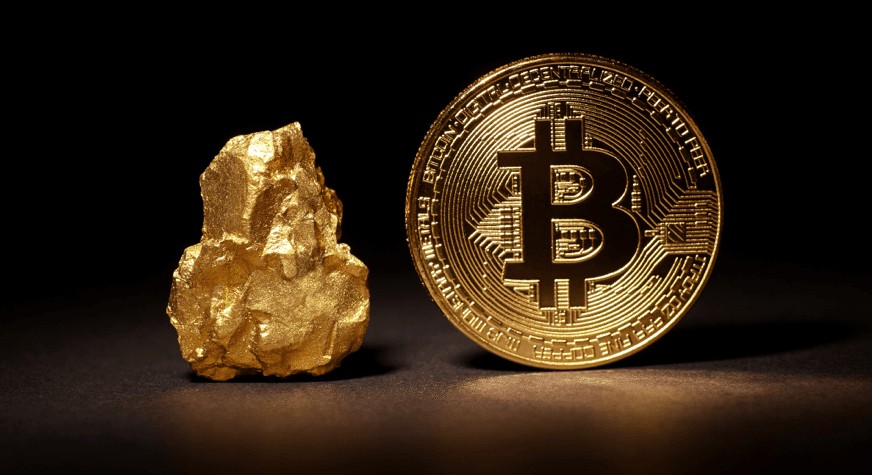
Let’s compare crypto (specifically Bitcoin) and gold side-by-side:
| Feature | Bitcoin | Gold |
|---|---|---|
| Supply | Fixed (21 million) | Limited but unknown |
| Portability | High (digital) | Low (physical) |
| Divisibility | Easily divisible | Less convenient |
| Storage | Digital wallets | Secure vaults |
| History | 15+ years | 5,000+ years |
| Volatility | High | Low |
| Regulatory Risk | Medium to High | Low |
So which one is better?
It depends on your goals.
-
If you’re looking for long-term stability, gold is still the winner.
-
If you want higher growth potential, digital innovation, and global accessibility, Bitcoin has an edge.
Many experts now believe that a diversified reserve strategy—holding both gold and Bitcoin—might be the future.
🔮 Section 6: What Does the Future Hold?
🚀 Subtitle: Crypto’s Role in a New Financial Era
As technology and global finance evolve, the idea of crypto-backed reserves will become more mainstream. Bitcoin has already proven it can survive market crashes, legal challenges, and public skepticism.
Now, with the dollar weakening and gold continuing to dominate, we may see a three-pillar reserve system in the coming decades:
-
Traditional fiat currencies (like the dollar or euro)
-
Commodities (like gold and oil)
-
Digital assets (Bitcoin and other cryptos)
For beginners looking to get involved:
-
Start small with Bitcoin or trusted crypto platforms
-
Educate yourself about wallets, security, and blockchain basics
-
Diversify your holdings—don’t go all-in on one asset
-
Stay updated on crypto news and government regulations
📝 Conclusion: A New Chapter in Reserve History
Bitcoin’s entrance into the reserve asset conversation signals a major shift in financial thinking. While gold continues to be the anchor, crypto is fast becoming an innovative challenger—especially as people and nations look for alternatives to the weakening dollar.
The big takeaway?
Crypto isn’t just about quick profits anymore—it’s about shaping the future of money.
Whether you’re an investor, policymaker, or just a curious beginner, now is the perfect time to understand how these forces are reshaping the global economy.
Meta Description:
Bitcoin is entering the global reserve asset discussion as the U.S. dollar weakens, but gold still holds the crown. Discover how crypto is changing the financial future in this beginner-friendly guide.
@Cryptopro.xyz