1. The Rise of Stablecoins and U.S. Dominance
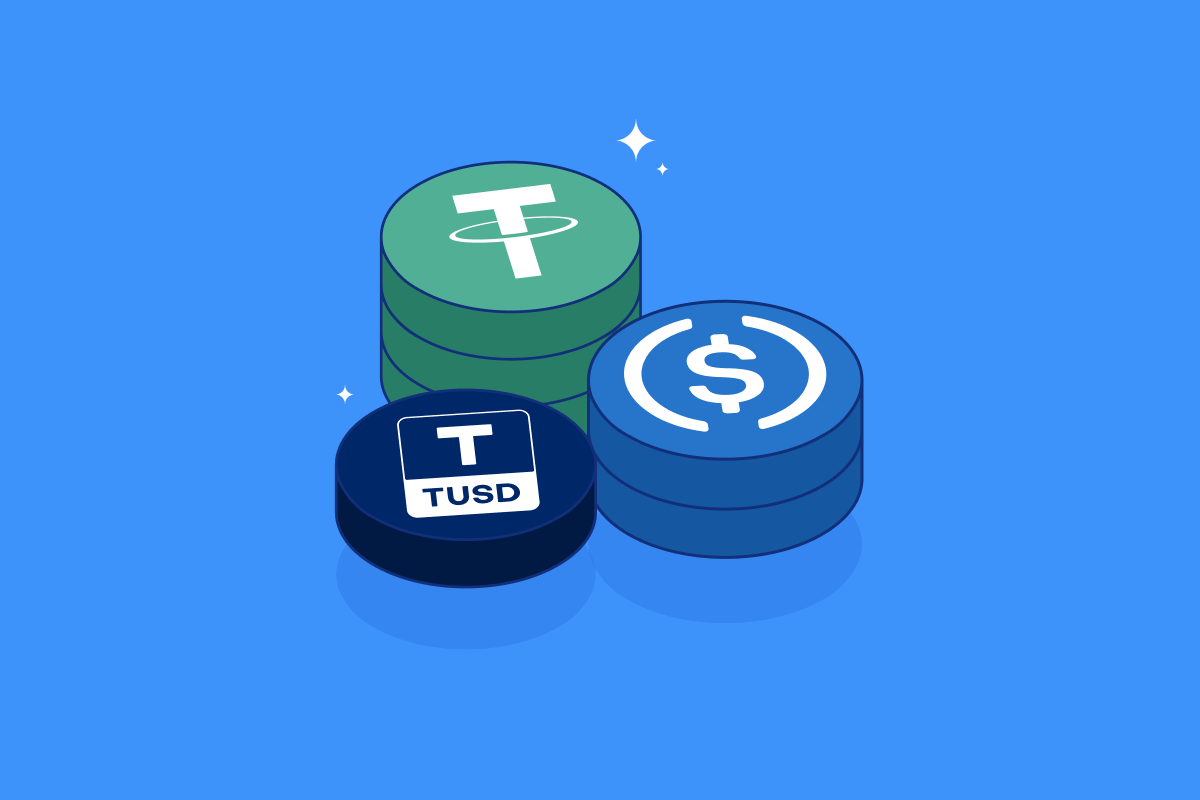
Stablecoins have become one of the most influential innovations in the crypto world. The dollar provides stability in a market known for volatility. Tether (USDT) and USD Coin (USDC) dominate this sector, both tied directly to the U.S. dollar.
However, this dominance has raised concerns among global economies. Many countries view the reliance on USD-pegged stablecoins as an extension of U.S. financial power into the crypto ecosystem. Now, major players like China and Japan are preparing to challenge this hegemony by creating alternatives.
2. Why Countries Are Uneasy with USD-Pegged Coins
At first glance, USD-pegged stablecoins appear convenient, offering traders security and liquidity. Yet for other nations, these coins carry geopolitical implications. The dominance of the dollar extends U.S. influence far beyond traditional finance, and in crypto, the story is no different.
By relying on USD-based stablecoins, countries may feel they are indirectly reinforcing American monetary control. This explains why nations like China, Japan, and others are strategizing to introduce their own state-backed digital currencies and stablecoin frameworks.
3. China’s Digital Yuan: More Than Just a Currency
China has been leading the charge with its Digital Yuan, a central bank digital currency (CBDC). While not technically a stablecoin pegged to a foreign asset, it serves a similar role by offering stability, speed, and transparency.
The Digital Yuan also represents China’s ambition to reduce dependence on the dollar in both trade and finance. Beijing hopes to position the yuan as a viable rival in the global crypto and digital finance ecosystem by promoting its CBDC in international trade.
4. Japan’s Approach: Collaboration Over Confrontation
Japan, unlike China, has taken a more collaborative path. The country recognizes the benefits of stablecoins but also understands the risks of over-reliance on USD-pegged versions. As a result, Japan is moving toward creating yen-based stablecoins that comply with strict financial regulations.
This approach appeals to businesses and investors who want stability and legal clarity. Japan’s strategy shows that stablecoins can thrive under government oversight while offering alternatives to U.S. dollar dominance.
5. Europe and Others Enter the Arena
The movement to challenge USD-pegged stablecoins isn’t limited to Asia. Europe is also developing the Digital Euro, while countries like India and South Korea are exploring their own CBDCs and crypto regulatory frameworks.
Each of these initiatives aims to balance innovation with sovereignty. By reducing dependence on the U.S. dollar in the digital era, these countries hope to protect their economies and create fairer grounds for global trade.
6. The Strategic Importance of Currency Sovereignty
At its core, this movement isn’t just about crypto. It’s about sovereignty. Stablecoins backed by the U.S. dollar essentially extend the dollar’s role as the world’s reserve currency into digital finance. For countries seeking more independence, this is an issue of strategic importance.
By developing alternatives, countries ensure that their financial systems remain competitive and not overly dependent on U.S. monetary policy. This fight over stablecoin dominance reflects larger global debates about power, independence, and digital sovereignty.
7. Implications for the Crypto Market
For the global crypto community, the emergence of non-USD stablecoins could be transformative. Traders would gain access to a wider range of stable assets, reducing concentration risk. Additionally, this diversification could make the crypto ecosystem more resilient to U.S.-centric regulations.
On the other hand, the fragmentation of stablecoin markets could lead to liquidity challenges. If too many competing national stablecoins emerge, it may become harder for traders to move seamlessly between assets, potentially slowing down global adoption.
8. Geopolitics Meets Blockchain
The battle over stablecoins highlights how crypto and geopolitics are becoming deeply intertwined. While Bitcoin and Ethereum operate independently of national influence, stablecoins inherently reflect their underlying fiat currency. This makes them political tools as much as financial ones.
Countries like China and Japan understand that controlling a widely used stablecoin could provide leverage in global trade negotiations, cross-border payments, and even sanctions resistance.
9. Risks and Challenges Ahead
Despite the ambitious goals of these nations, challenges remain. Building trust in new stablecoins is no easy task. Traders and institutions have relied on USD-pegged coins for years, and shifting behavior requires time, education, and liquidity incentives.
Furthermore, regulatory hurdles and technological barriers could slow progress. The success of these initiatives will depend on whether countries can offer stable, transparent, and widely accepted alternatives that rival the convenience of existing stablecoins.
10. The Future: A Multipolar Stablecoin World?
Looking ahead, the future of stablecoins may be multipolar rather than dominated by a single currency. Instead of USD-pegged tokens controlling the market, we could see a mix of dollar, yuan, yen, and euro-backed coins coexisting.
Such diversity could democratize digital finance and reflect the reality of a multipolar global economy. For crypto users, it may create a more balanced ecosystem where no single country dominates, and competition drives innovation.
11. Final Thoughts: A Crusade or a Revolution?
The challenge against USD-pegged stablecoins is not just a financial adjustment; it’s a revolution in how nations view money in the digital age. China, Japan, and other countries aren’t just competing with the dollar—they’re redefining their place in the future of crypto and global finance.
Whether this crusade succeeds or not, one thing is clear: the stablecoin wars have only just begun, and the outcome will shape the next chapter of digital money worldwide.
✅ Slug:
china-japan-challenge-usd-pegged-stablecoins
✅ Meta Description:
China, Japan, and other nations are moving to challenge USD-pegged stablecoins by creating their own digital currencies. Discover how this shift could reshape global crypto markets, reduce U.S. dominance, and redefine the future of digital finance.